
Real-time communication built into the browser
WebRTC is a new front in the long war for an open and unencumbered web
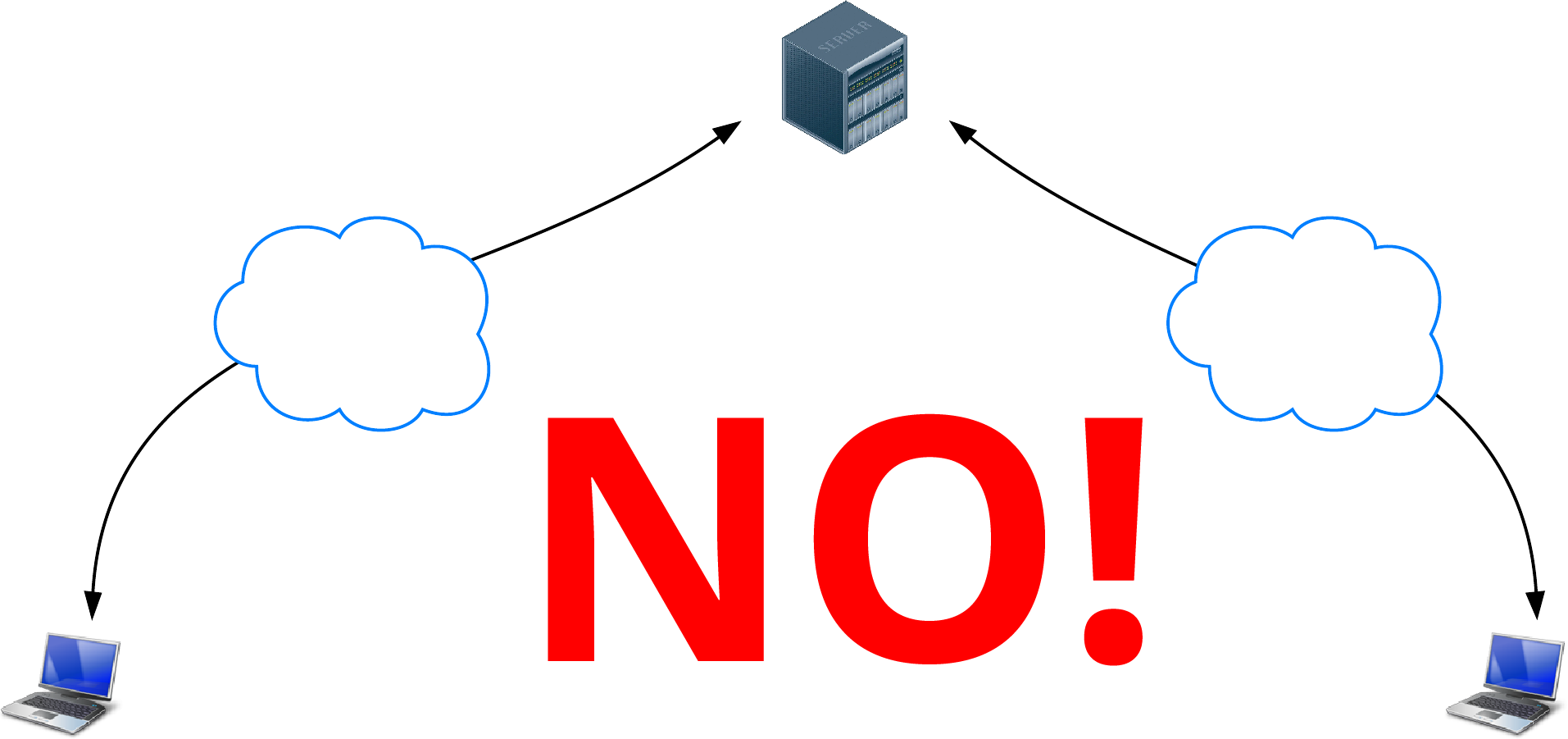

Shopping list
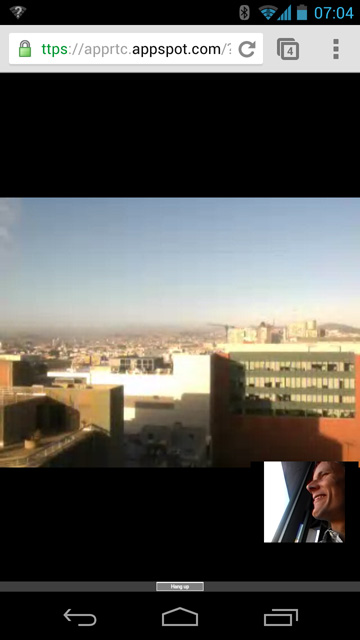
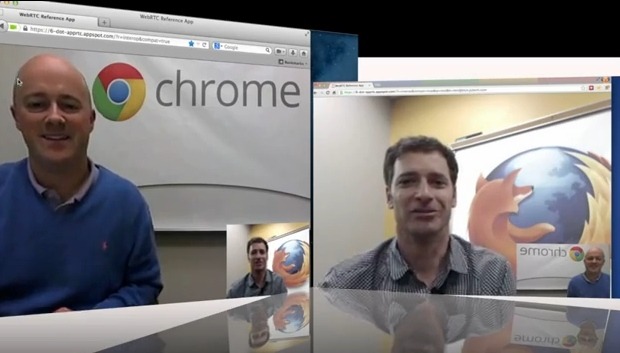
WebRTC across platforms
- Chrome and Chrome for Android
- Firefox and Firefox for Android
- Opera
- Native Java and Objective-C bindings
(example app, API)
Qt moving to Chromium
- Framework for cross-platform/device native and embedded apps
- Qt WebKit => Qt WebEngine
- Multimedia and new HTML5 features such as WebRTC working out-of the-box
1,000,000,000+
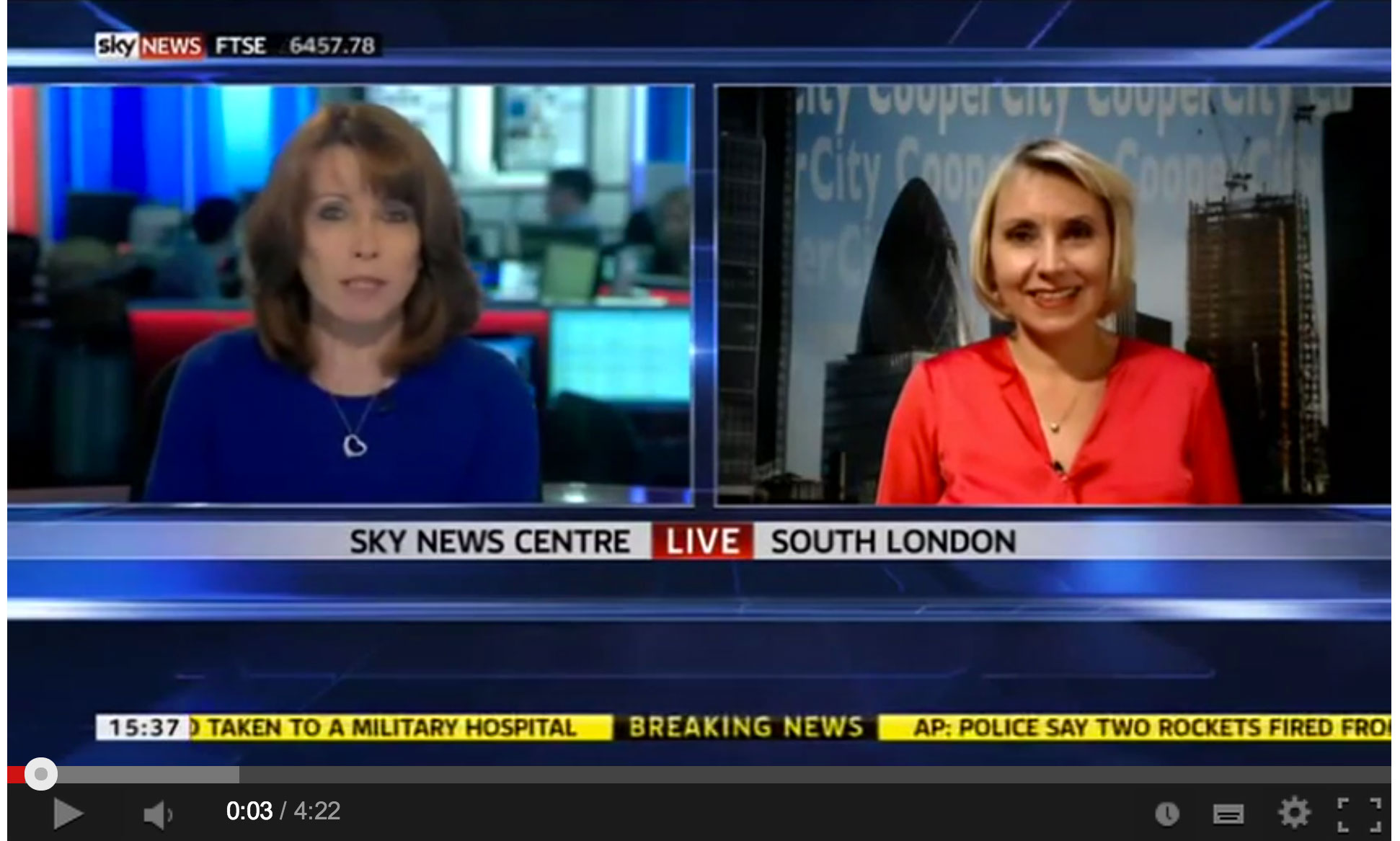
WebRTC endpoints
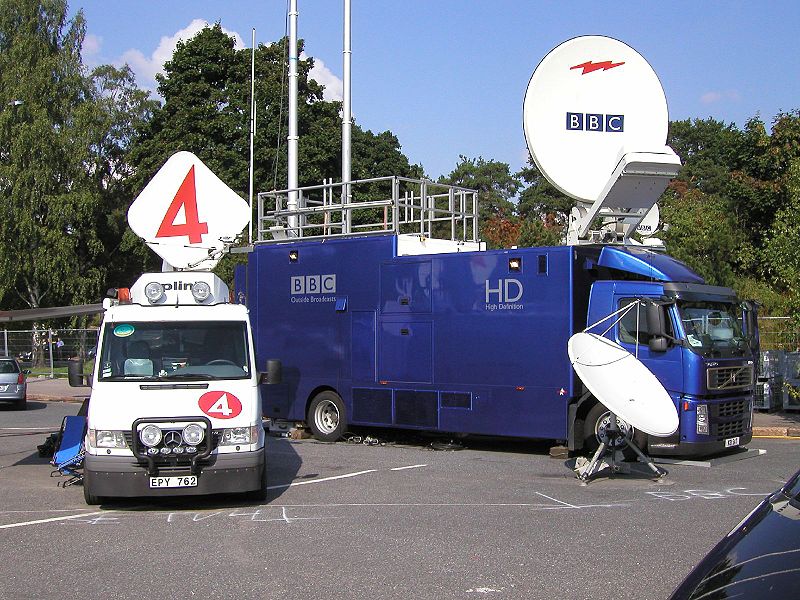
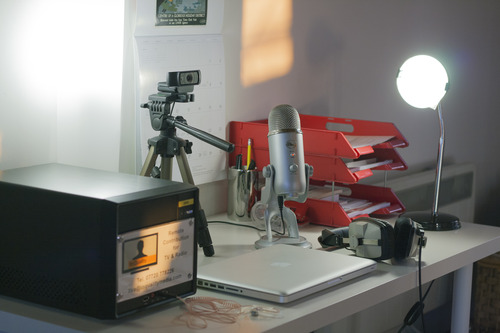
What do we need for RTC?
Four main tasks
- Acquiring audio and video
- Establishing a connection between peers
- Communicating audio and video
- Communicating arbitrary data
Three main JavaScript APIs
- MediaStreams (aka getUserMedia)
- RTCPeerConnection
- RTCDataChannel
MediaStreams
Acquiring audio and video
MediaStream
- Represents a stream of synchronised media
- Can contain multiple audio and/or video MediaStreamTracks
- Obtain a MediaStream with
navigator.getUserMedia()
gUM
It's pretty simple.
var constraints = {video: true};

function successCallback(stream) {
  var video = document.querySelector("video");
  video.src = window.URL.createObjectURL(stream);
}

function errorCallback(error) {
  console.log("navigator.getUserMedia error: ", error);
}

navigator.getUserMedia(constraints, successCallback, errorCallback);
var constraints = {video: true};

function successCallback(stream) {
  var video = document.querySelector("video");
  video.src = window.URL.createObjectURL(stream);
}

function errorCallback(error) {
  console.log("navigator.getUserMedia error: ", error);
}

navigator.getUserMedia(constraints, successCallback, errorCallback);
gUM permissions
- HTTPS only prompts once!
- Chrome apps:
audioCaptureandvideoCapturepermissions - UI settings can be changed afterwards.

gUM + Canvas
getUserMedia + Web Audio
// Success callback when requesting audio input stream
function gotStream(stream) {
    var audioContext = new webkitAudioContext();

    // Create an AudioNode from the stream
    var mediaStreamSource = audioContext.createMediaStreamSource(stream);

    // Connect it to the destination or any other node for processing!
    mediaStreamSource.connect(audioContext.destination);
}

navigator.webkitGetUserMedia( {audio:true}, gotStream);
Make sure to enable Web Audio Input in about:flags!
gUM + Web Audio + WebGL
Select resolution
Select mic and camera
Work underway to make this more user-focused
gUM screencapture!
Be sure to enable screen capture support in getUserMedia!
var constraints = {
  video: {
    mandatory: {
      chromeMediaSource: 'screen'
    }
  }
};

navigator.webkitGetUserMedia(constraints, gotStream);
RTCPeerConnection
Audio and video communication between peers
Communicate Media Streams
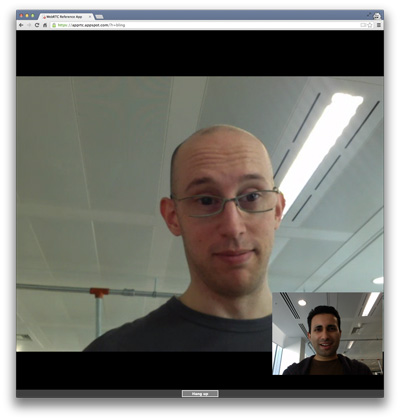
→
getUserMedia
+
RTCPeerConnection
←
getUserMedia
+
RTCPeerConnection
←
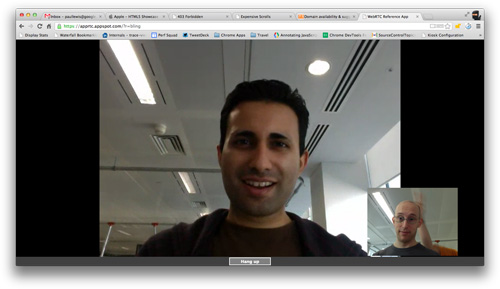
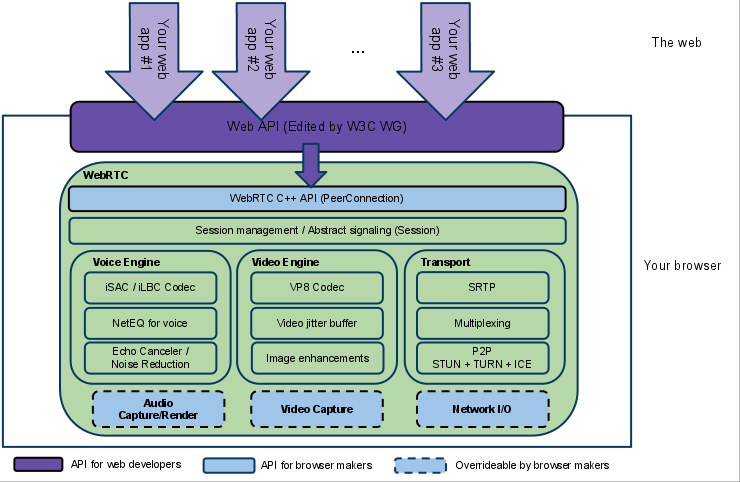
WebRTC architecture
WebRTC infrastructure
STUN, TURN and signaling
Peer to peer — but we need servers :^\
Signaling - coordinating communication
- Need to cope with NATs and firewalls: STUN and TURN
- To do this, we exchange 'session description' objects:
- What media formats I support, what I want to send
- Network information for peer-to-peer setup
- Signaling *can* use any messaging mechanism or protocol
JSEP architecture
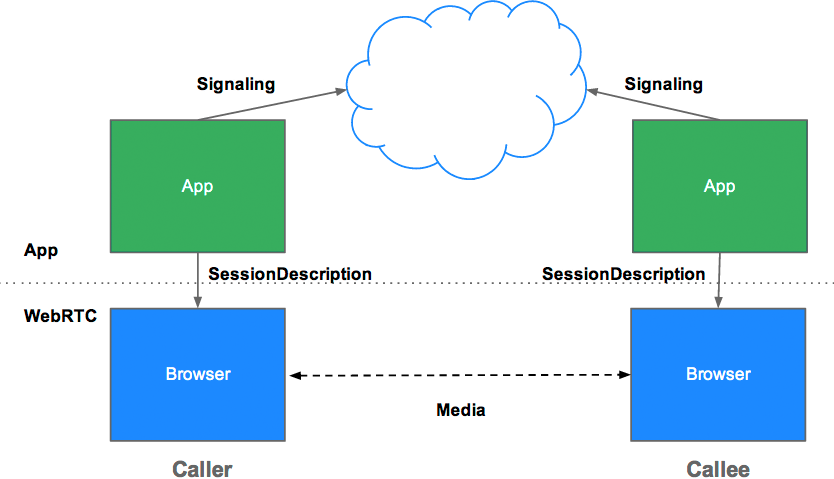
RTCPeerConnection initialisation
- Ascertain local media conditions: resolution, codec capabilities...
- Get potential network addresses for the application's host: candidates
- Exchange this data via the signaling mechanism.
Signaling with Node and Socket.io
- Socket.io uses WebSocket with fallbacks
- Simple to exchange messages
- Built-in concept of 'rooms'
An RTCSessionDescription
v=0
o=- 7614219274584779017 2 IN IP4 127.0.0.1
s=-
t=0 0
a=group:BUNDLE audio video
a=msid-semantic: WMS
m=audio 1 RTP/SAVPF 111 103 104 0 8 107 106 105 13 126
c=IN IP4 0.0.0.0
a=rtcp:1 IN IP4 0.0.0.0
a=ice-ufrag:W2TGCZw2NZHuwlnf
a=ice-pwd:xdQEccP40E+P0L5qTyzDgfmW
...
Want to know what all this SDP gobbledygook actually means?
Take a look at the IETF examples.
Candidate objects
{
  'type':'candidate',
  'label':1,
  'id':'video',
  'candidate':'a=candidate:1274936569 1 udp 1845501695 2.96.35.15 63579
               typ srflx raddr 192.168.0.3 rport 63579 generation 0\r\n'
}
...
{
  'type':'candidate',
  'label':0,
  'id':'audio',
  'candidate':'a=candidate:3802297132 1 udp 2113937151 192.168.0.3 63579
               typ host generation 0\r\n'
}
Output of one RTCPeerConnection as input for another
My head hurts.
RTCPeerConnection without signaling
The canonical, full-fat video chat app!
RTCDataChannel
Bidirectional communication of arbitrary data between peers
Communicate arbitrary data
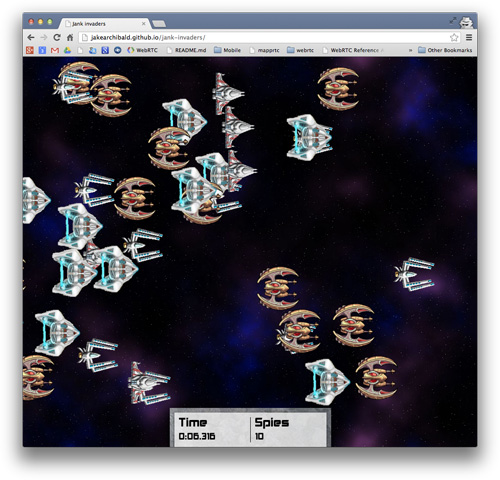
onreceivemessage = handle(data);
...
var myData = [
{
id: "ship1";
x: 24,
y: 11,
velocity: 7
},
....
]
send(myData);
→
RTCDataChannel
+
RTCPeerConnection
←
RTCDataChannel
+
RTCPeerConnection
←
onreceivemessage = handle(data);
...
var myData = [
{
id: "ship7";
x: 19,
y: 4,
velocity: 18
},
....
]
send(myData);
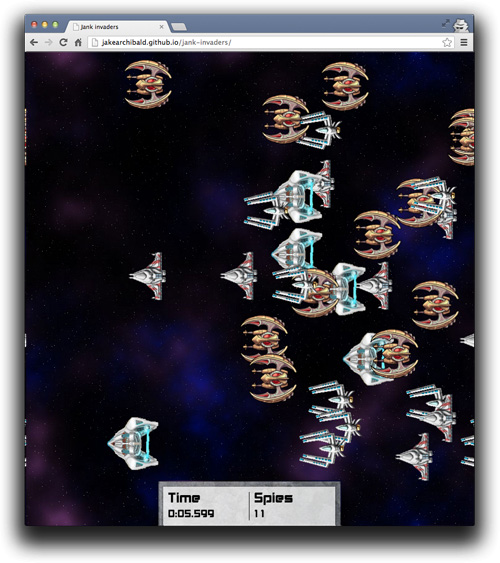
RTCDataChannel
- Same API as WebSockets
- Ultra-low latency
- Optionally unreliable or reliable:
— Firefox and Chrome 31, Chrome 30 behind a flag - Secure
RTCDataChannel API
var pc = new webkitRTCPeerConnection(servers,
  {optional: [{RtpDataChannels: true}]});

pc.ondatachannel = function(event) {
  receiveChannel = event.channel;
  receiveChannel.onmessage = function(event){
    document.querySelector("div#receive").innerHTML = event.data;
  };
};

sendChannel = pc.createDataChannel("sendDataChannel", {reliable: false});

document.querySelector("button#send").onclick = function (){
  var data = document.querySelector("textarea#send").value;
  sendChannel.send(data);
};
Security
Security throughout WebRTC
- Mandatory encryption for media and data
- Secure UI, explicit opt-in
- Sandboxed, no plugins
- WebRTC Security Architecture
Secure pathways

Voice
Voice is just another JS application
Phones and more - beyond browsers
Telephony
Developing with WebRTC
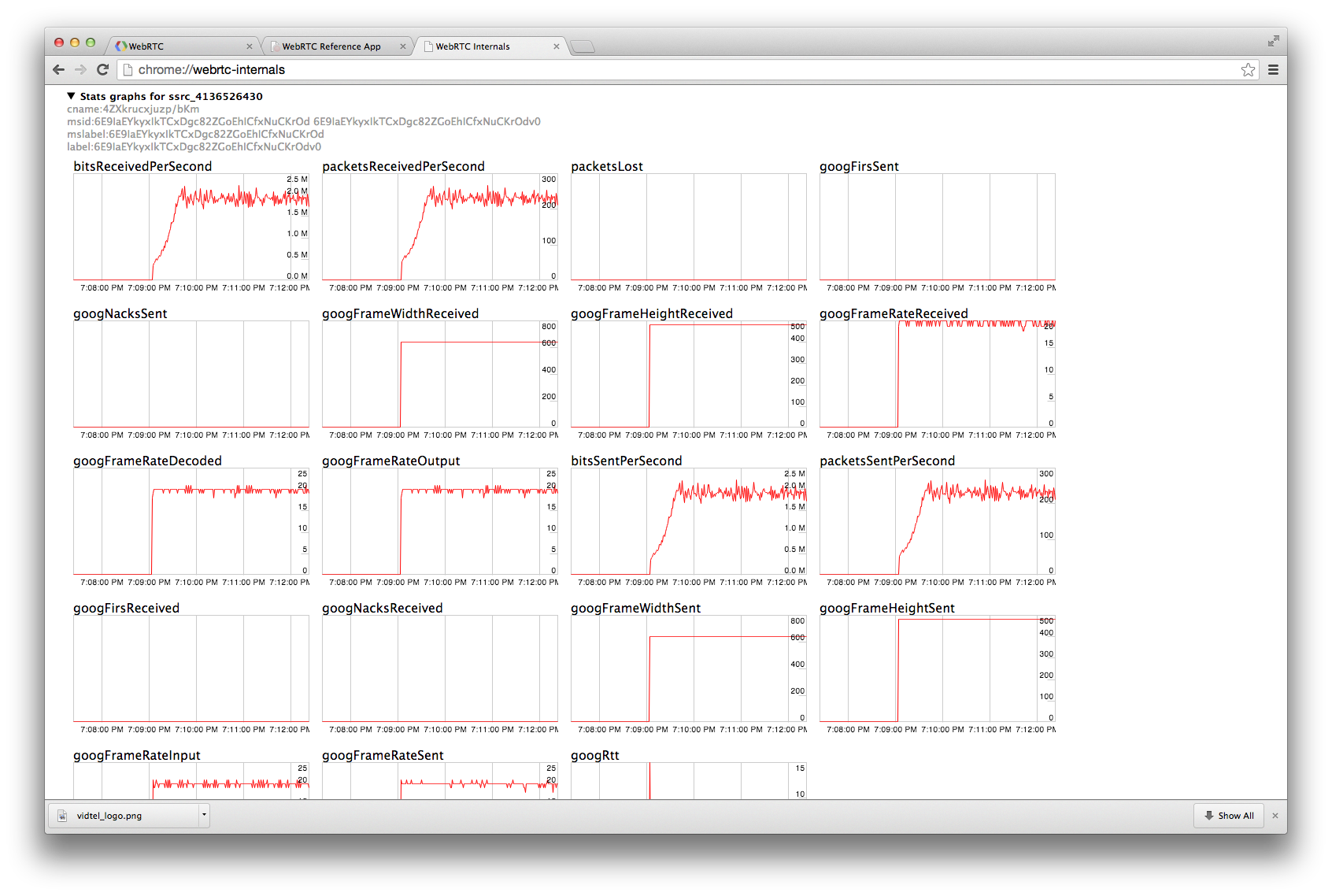
chrome://webrtc-internals
adapter.js
Lets you use the same code in all browsers:
- Removes vendor prefixes
- Abstracts Chrome/Firefox differences
- Minimizes effects of spec churn
My brain has already exploded.
JavaScript frameworks
More Information
- WebRTC and Web Audio resources list: bit.ly/webrtcwebaudio
- Google I/O 2013 WebRTC presentation
- Justin Uberti: Google I/O 2012 presentation video
- Cullen Jennings video: HTML5 WebRTC
- HTML5 Rocks:
- ...and a book: webrtcbook.com
Contact Us
WebRTC and HTML5 could enable the same transformation for real-time communications that the original browser did for information.
<Thank You!>